Massage vs Physiotherapy Recovery: What Ajman Should Know

You finish a physiotherapy session and the exercises helped, but your shoulder is still tight by the time you reach your car. That gap between a clinic appointment and feeling truly loose again is familiar to a lot of people in Ajman, especially anyone recovering from a desk-job strain, a gym injury, or a long commute along Sheikh Mohammed Bin Zayed Road.
In 2026, more residents across Ajman and Sharjah are combining structured physiotherapy with regular massage sessions rather than choosing one over the other. Clinics focus on diagnosis, mobility testing, and corrective exercise. Massage therapists focus on soft tissue, circulation, and the muscle tension that often lingers between physio visits.
This article looks at how massage vs physiotherapy recovery actually compares, where each one helps most, and how a licensed spa visit can fit into a recovery plan without replacing medical advice.
Recovery Habits Are Changing Across the UAE in 2026
Health awareness in the UAE has shifted noticeably over the past few years. Ministry of Health campaigns and workplace wellness programmes have pushed more office workers to take musculoskeletal pain seriously instead of ignoring it until it becomes chronic. Sitting for eight or nine hours in an air-conditioned office, then driving through Ajman or Sharjah traffic, puts steady strain on the neck, lower back, and hips.
This is part of why the conversation around massage vs physiotherapy recovery has grown louder. People no longer see the two as competing options. Instead, many treat massage as ongoing maintenance and physiotherapy as the structured, diagnosis-led part of healing. Humidity and heat for much of the year also make regular soft-tissue work genuinely comfortable rather than a luxury add-on.
How Massage Therapy Supports Physical Recovery
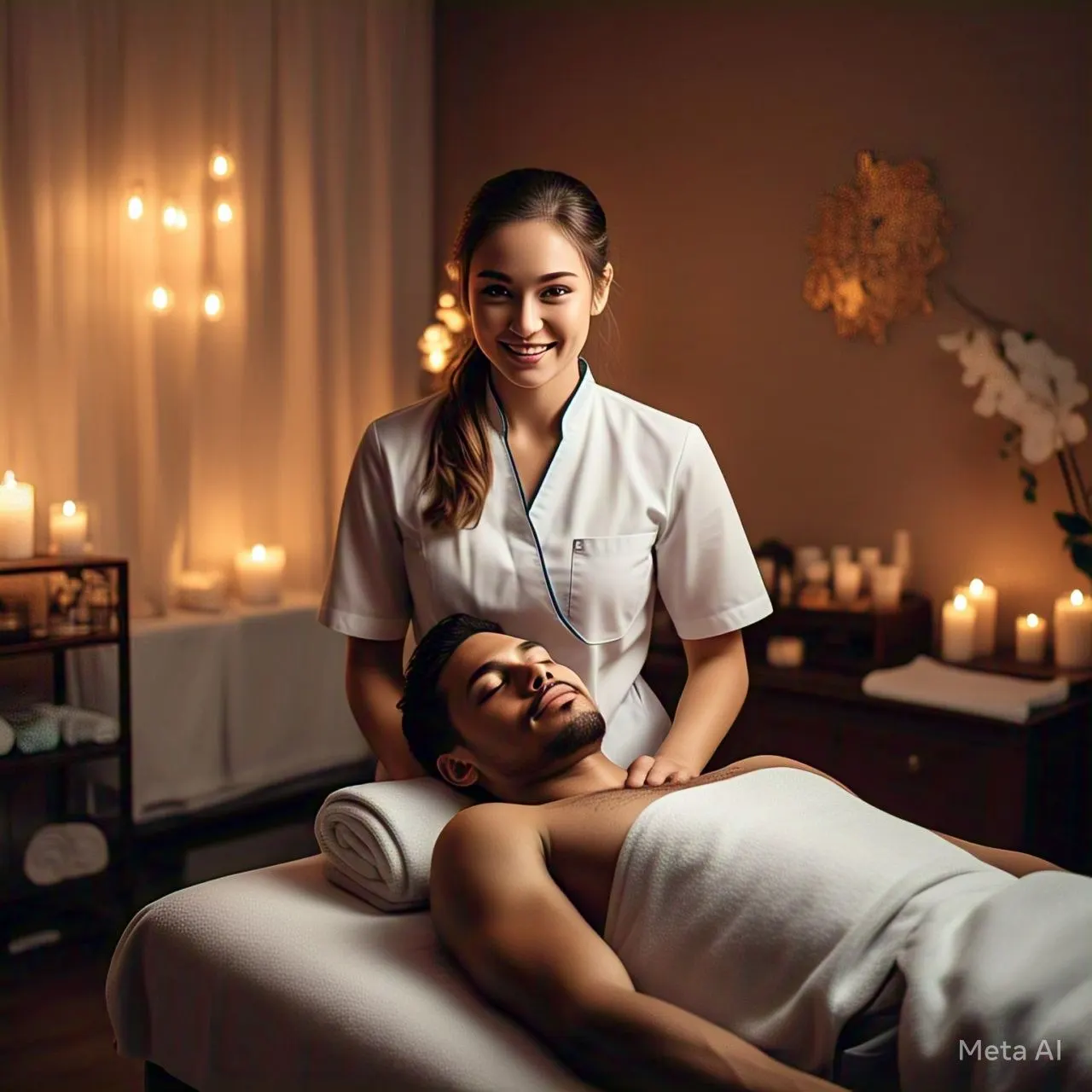
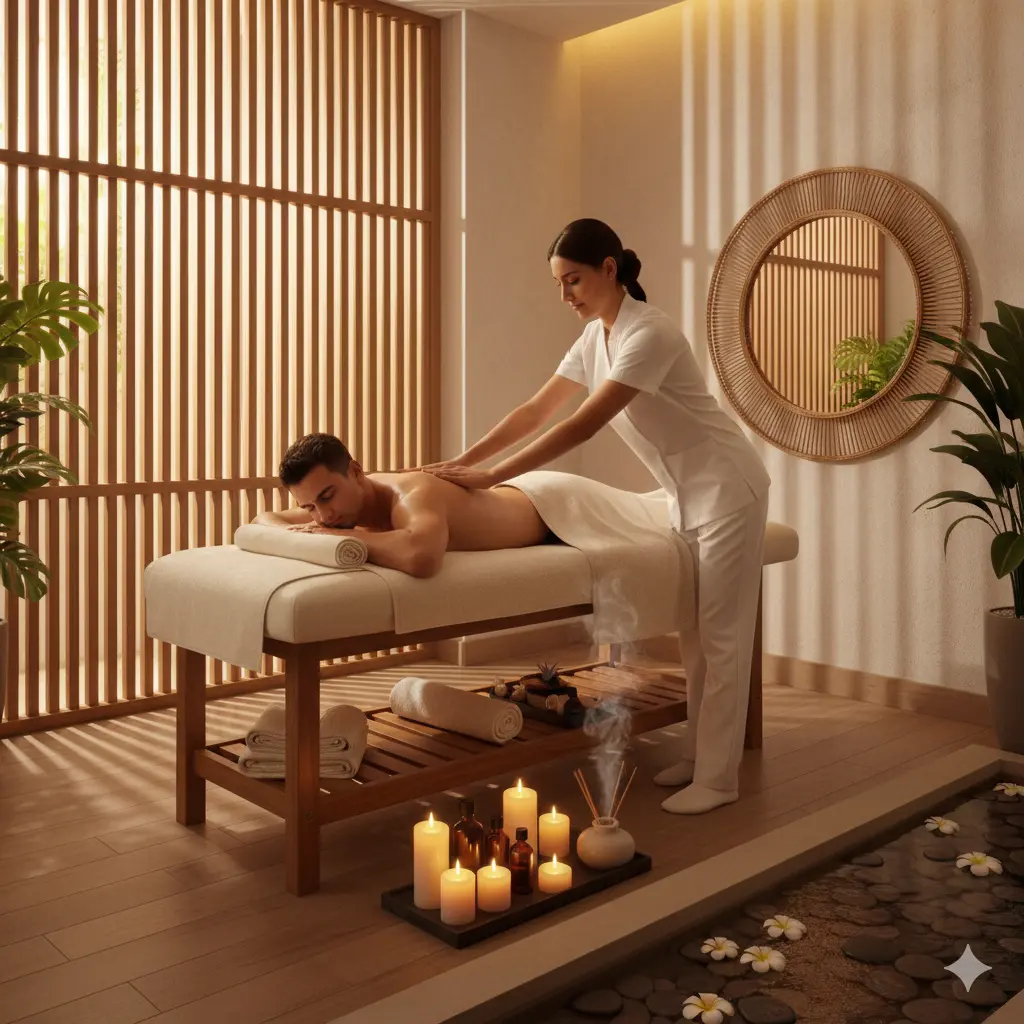
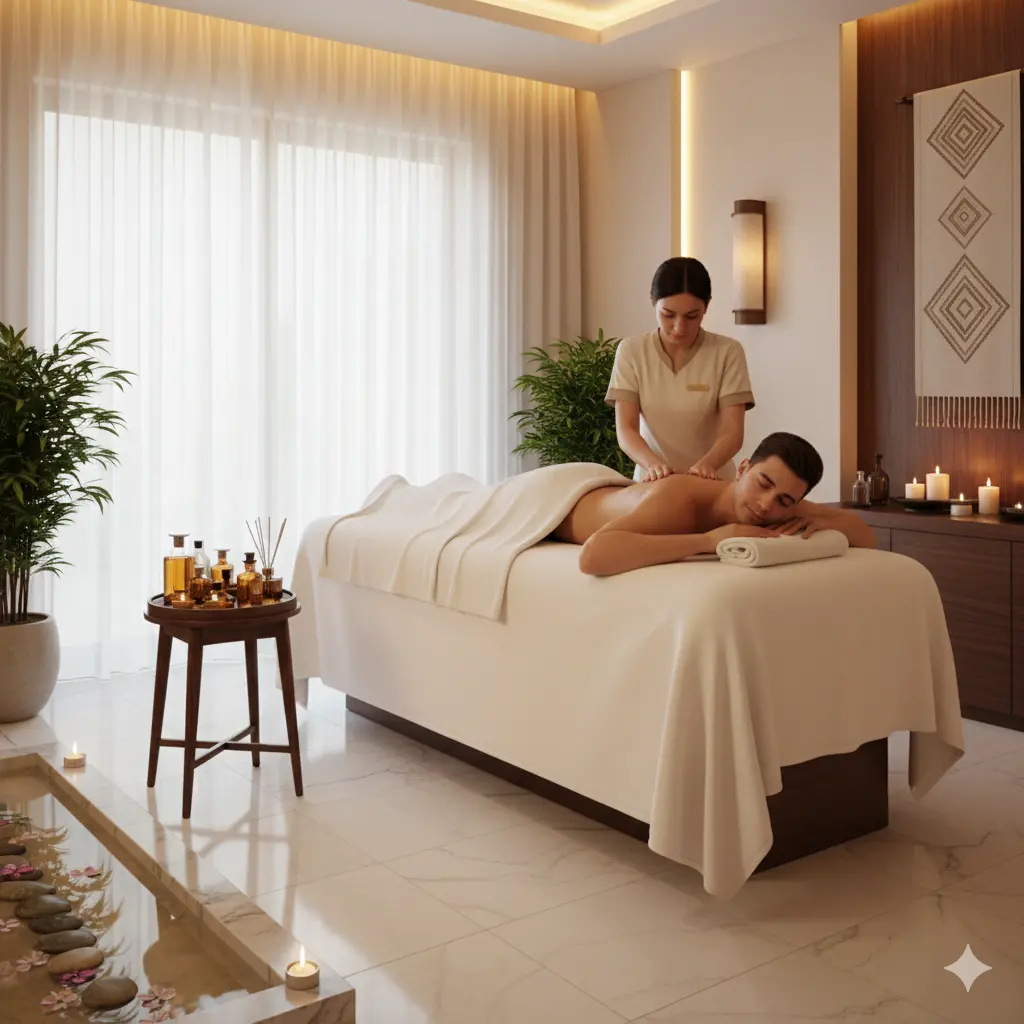
Physiotherapy is built around assessment. A physiotherapist identifies the injury, sets mobility goals, and prescribes exercises to rebuild strength safely. Massage works differently. A trained therapist applies hands-on pressure to loosen tight muscles, improve blood flow, and reduce the stiffness that can make physio exercises harder to perform correctly.
For many people recovering from a strain, a slipped disc flare-up, or post-surgical stiffness, this combination speeds up how the body responds. Massage will not replace clinical treatment, but it often makes the physiotherapy plan easier to stick to. If you are searching for massage Ajman residents already recommend for recovery support, it usually comes down to consistency, hygiene standards, and therapists who understand injury-safe pressure.
The goal is always the same: fewer flare-ups, better range of motion, and a body that responds well between clinical appointments.
How Jameela Spa Supports This Kind of Recovery
Jameela Spa has operated in Ajman since 2018, which means the team has spent eight years working with clients who arrive stiff, sore, or mid-way through a physiotherapy programme. The spa is licensed by Ajman DED (License No. 130394), and every therapist is diploma-trained in a specific technique rather than offering a bit of everything.
Feedback has stayed consistently strong, with a 4.9-star rating across more than 2,450 verified Google reviews. Clients often mention how private, injury-aware sessions help them feel steadier before or after a clinical appointment. For anyone comparing options, the massage spa in Ajman that clients return to tends to be one with private rooms, consistent staff, and therapists trained in one method rather than several at once.
Every room at Jameela Spa is private, with no shared floors, which matters for clients still guarding a sensitive area of the body while healing.
Therapy Types and What They’re Best Suited For
Different techniques suit different stages of recovery. Kerala Ayurvedic massage uses warmed oils and rhythmic strokes, and it tends to suit clients dealing with ongoing joint stiffness or fatigue. Thai bodywork includes assisted stretching, which can complement a physiotherapist’s mobility exercises well.
Russian remedial massage uses firmer, targeted pressure and often appeals to clients recovering from sports strain. Pakistani deep-pressure massage suits chronic tension in the back and shoulders, while Indian oil massage is gentler and often chosen after the sharpest pain has already eased. Anyone specifically searching for a spa Ajman residents trust for gentle recovery work often starts with the Ayurvedic route.
You can read more about the technique on the Kerala Ayurvedic massage page, which outlines what a typical 60-minute session involves.
What to Look For When Choosing a Massage Center
Not every spa is equal when recovery is the goal. A few things are worth checking before booking:
- Valid municipality or DED licensing, displayed openly
- Therapists trained in a specific technique, not a generalist mix
- Private rooms rather than open, shared treatment areas
- Transparent pricing with no late-night surge charges
- Genuine, verifiable reviews rather than inflated ratings
Jameela Spa was built around these standards, and it is not the only licensed option in the emirate. Chandini Rath Spa is another licensed wellness center in Ajman, and residents comparing a massage center in Ajman often check a couple of licensed options before settling on the one that fits their schedule.
Location, Pricing, and Booking Details
Jameela Spa is located at Villa No 7, 18 Ammar Bin Yasir Street, Al Rashidiya 2, Ajman, UAE, with free on-site parking for clients driving in from Ajman or Sharjah after work.
The spa is open 24 hours a day, seven days a week, including Fridays and public holidays, which suits clients who only have time for a session late at night or early morning. Sessions start from AED 99 for 60 minutes, with no hidden fees and no surcharge for night bookings.
To check availability, message the team directly on WhatsApp at +971 551721953, or call the same number to ask which therapy suits your current recovery stage.
Frequently Asked Questions
Is massage a replacement for physiotherapy?
No. Massage supports recovery by easing muscle tension and improving circulation, but it does not replace a physiotherapist’s diagnosis or exercise plan. Most clients use both together.
How does massage vs physiotherapy recovery differ in approach?
Physiotherapy is clinical and exercise-based, guided by a diagnosis. Massage is hands-on and focused on soft tissue, and it works best as a supporting habit between physiotherapy sessions.
How much does a massage session cost in Ajman?
At Jameela Spa, sessions start from AED 99 for a 60-minute treatment, with transparent pricing and no hidden or night-time surcharges.
Where is Jameela Spa located?
Jameela Spa is located at Villa No 7, 18 Ammar Bin Yasir Street, Al Rashidiya 2, Ajman, UAE, with free on-site parking.
What are the opening hours?
Jameela Spa is open 24 hours a day, seven days a week, including Fridays and public holidays, so sessions can be booked around work hours or a physiotherapy schedule.
Final Thoughts
Recovery rarely happens through one method alone. Combining structured physiotherapy with regular, licensed massage support tends to give the body more consistent progress, especially in a climate and work schedule like Ajman’s. If you’re weighing up massage versus physiotherapy recovery for your own routine, a conversation with both a physiotherapist and a trained massage therapist is a reasonable place to start.
To book a session or ask which therapy fits your recovery stage, message Jameela Spa on WhatsApp at +971 551721953.
Written & reviewed by Hira — Wellness Director, Jameela Spa Ajman | July 2026