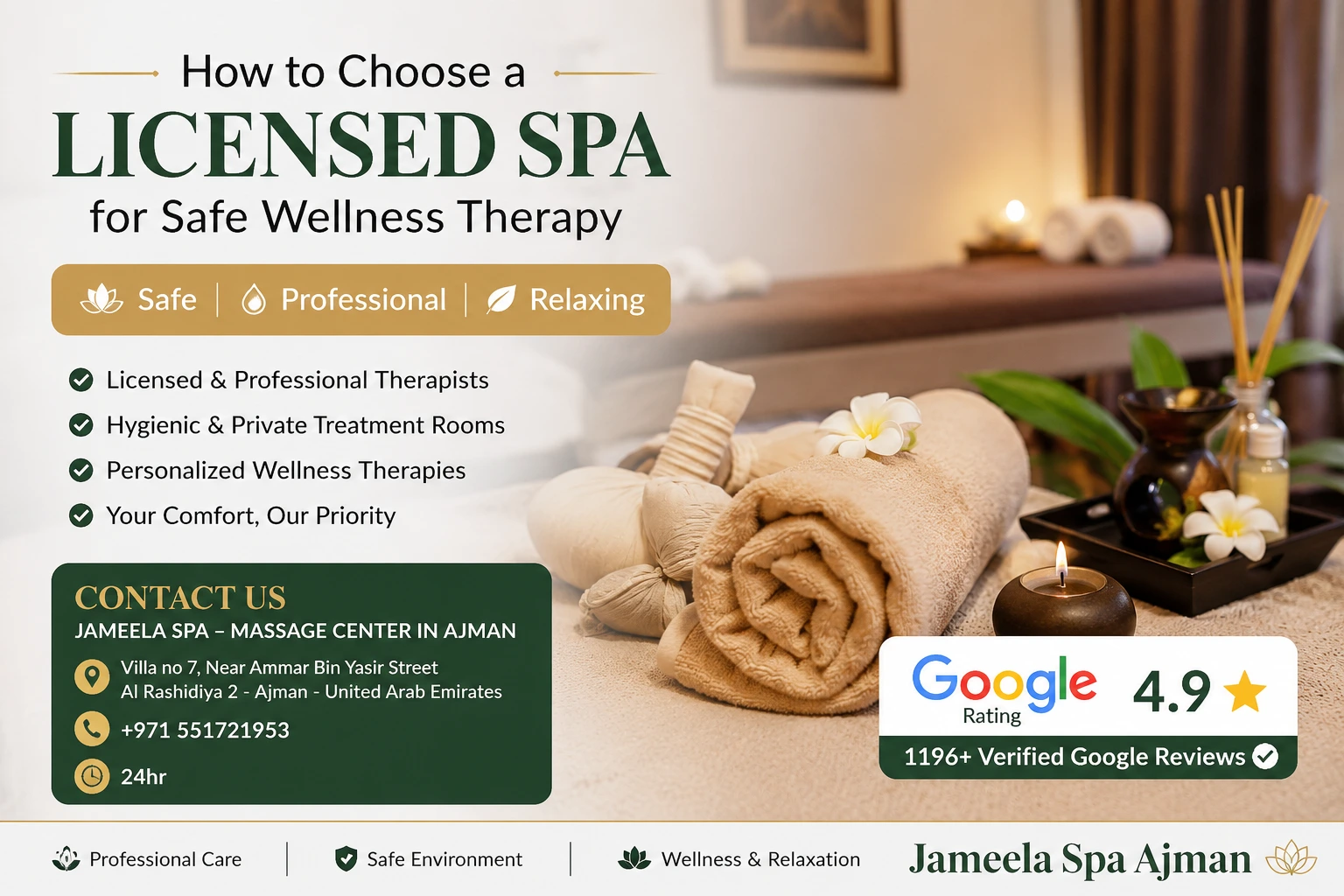
How to Choose a Licensed Spa for Safe Wellness Therapy

Many people seek wellness therapy to reduce stress, improve physical comfort, support recovery after long workdays, and maintain overall well-being. However, choosing the right spa is just as important as selecting the therapy itself. A professional and properly licensed facility helps ensure that treatments are delivered in a safe, hygienic, and comfortable environment.
With so many options available, it can be difficult to know what separates a trustworthy wellness center from one that may not meet professional standards. Understanding what to look for before booking can help you make informed decisions and enjoy a more beneficial experience.
This guide explains the key factors to consider when choosing a licensed spa for safe wellness therapy and how to identify professional care that supports your long-term well-being.
Why Choosing a Licensed Spa Matters
A licensed spa operates under established regulations and standards designed to protect guest safety and service quality. While every wellness center may offer different therapies, licensing generally indicates that the facility follows required operational and hygiene practices.
Why Choosing a Licensed Spa Matters
A licensed spa operates under established regulations and standards designed to protect guest safety and service quality. While every wellness center may offer different therapies, licensing generally indicates that the facility follows required operational and hygiene practices.
Benefits of Choosing a Licensed Facility
* Better hygiene standards
* Qualified and trained therapists
* Proper treatment procedures
* Safer wellness experiences
* Professional client care
* Improved comfort and confidence during sessions
A licensed spa is important because it follows professional standards related to hygiene, therapist qualifications, client safety, and facility management. These standards help create a safer and more reliable wellness experience.
When selecting a wellness provider, verifying licensing should be one of the first steps in your decision-making process.
Key Signs of a Professional Wellness Environment
Not every wellness center provides the same level of care. Certain indicators can help you evaluate whether a facility prioritizes guest comfort and professional service.
Cleanliness and Hygiene
A well-maintained environment reflects attention to detail and commitment to client well-being.
Look for:
* Clean treatment areas
* Fresh linens and towels
* Sanitized equipment
* Well-maintained reception spaces
* Organized therapy rooms
Hygiene plays an important role in creating a comfortable experience and reducing unnecessary health risks.
Private and Comfortable Treatment Spaces
Privacy contributes significantly to relaxation and peace of mind during therapy sessions.
Professional facilities typically provide:
* Dedicated treatment areas
* Quiet surroundings
* Comfortable room settings
* Appropriate lighting and temperature control
These elements help clients focus on recovery and stress relief without distractions.
Transparent Information
Trustworthy providers clearly explain:
* Available therapies
* Session duration
* Therapist qualifications
* Wellness goals
* Safety guidelines
Clear communication helps set realistic expectations and builds confidence before treatment begins.
How to Evaluate Therapist Qualifications
The experience and training of therapists can significantly influence the quality of care you receive.
Before booking, consider asking:
* What training have therapists completed?
* How much experience do they have?
* Are they familiar with different wellness techniques?
* Can they adjust sessions based on individual needs?
Professional therapists understand that every person has different wellness goals and physical conditions.
Signs of Professional Care
Experienced practitioners often:
* Conduct basic consultations
* Listen carefully to client concerns
* Explain therapy approaches
* Adapt techniques appropriately
* Encourage feedback during sessions
These practices help create a safer and more personalized experience.
A qualified wellness therapist should have relevant training, practical experience, strong communication skills, and the ability to adapt treatments based on individual needs and comfort levels.
Wellness Therapy Safety Checklist Before Booking
Using a simple checklist can help you make more confident decisions.
Verify Licensing
Check whether the facility operates legally and follows applicable local regulations.
Review Facility Standards
Assess:
* Cleanliness
* Organization
* Professional appearance
* Client-focused environment
Read Genuine Reviews
Look for feedback related to:
* Service quality
* Staff professionalism
* Comfort
* Cleanliness
* Overall experience
Focus on patterns rather than isolated comments.
Understand Available Therapies
Different wellness sessions address different needs.
Examples include:
* Stress relief support
* Recovery after work-related fatigue
* Body comfort enhancement
* Flexibility improvement
* General relaxation therapy
Understanding the purpose of each option helps ensure you choose the most suitable session.
Common Mistakes People Make When Choosing a Spa
Many people focus only on pricing or convenience while overlooking important quality indicators.
Choosing Based Only on Cost
Lower prices do not always provide better value. Service quality, therapist experience, and safety standards should also be considered.
Ignoring Facility Standards
A professional environment contributes significantly to comfort and overall satisfaction.
Clients should feel comfortable asking about:
* Therapist experience
* Wellness goals
* Session expectations
* Safety procedures
Open communication often leads to a better experience.
Booking Without Research
Taking a few minutes to evaluate reviews, services, and facility information can help avoid disappointment later.
What to Expect During a Professional Wellness Session
Knowing what happens during a session can reduce uncertainty and help you feel more comfortable.
Initial Consultation
Many facilities begin with a brief discussion regarding:
* Wellness goals
* Areas of tension or discomfort
* Previous therapy experiences
* Comfort preferences
Personalized Approach
Rather than applying the same technique to everyone, experienced therapists often adjust sessions according to individual needs.
Comfortable Environment
Professional wellness sessions typically prioritize:
* Calm surroundings
* Client privacy
* Clear communication
* Respectful service
These factors contribute to a more positive experience and better overall comfort.
For individuals exploring various **wellness services**, learning about available options beforehand can help align expectations with personal goals.
Those seeking different **therapy sessions** may also benefit from reviewing treatment information before booking.
If recovery, flexibility, or stress management is a priority, understanding available **professional treatments** can help guide a more informed decision.
Expert Insight:
One of the most overlooked signs of a professional wellness facility is the quality of the consultation process before treatment begins. Experienced therapists rarely start immediately. Instead, they spend a few minutes understanding stress levels, areas of tension, daily activities, and comfort preferences. This short consultation often indicates a client-focused approach and can significantly improve both safety and overall treatment effectiveness.
Frequently Asked Questions
How can I verify if a spa is licensed?
You can ask the facility directly about its licensing status and check whether it complies with local operating regulations where applicable.
Why is therapist experience important?
Experienced therapists are often better equipped to understand client needs, adapt techniques, and provide a more comfortable wellness experience.
What should I look for during my first visit?
Observe cleanliness, professionalism, communication quality, and overall facility standards.
Can wellness therapy help with work-related fatigue?
Many people use wellness therapies to support recovery after long workdays, ease muscle stiffness, and promote relaxation.
Are private treatment areas important?
Yes. Privacy can enhance comfort, reduce distractions, and contribute to a more relaxing overall experience.
Conclusion
Choosing a licensed spa involves more than simply selecting a convenient location. Evaluating hygiene standards, therapist qualifications, professionalism, and overall client care can help ensure a safer and more beneficial wellness experience.
By taking time to research your options and asking the right questions, you can find a facility that prioritizes comfort, safety, and professional care. For those exploring wellness therapy as part of a healthier lifestyle, selecting the right provider is an important first step toward long-term well-being.
At Jameela Spa, professional wellness care is approached with a focus on guest comfort, cleanliness, and personalized attention, helping visitors enjoy a supportive environment designed for relaxation and recovery.